Showing posts with label fairytales/myths. Show all posts

Monday, February 2, 2026

January books

The first two books I read in January were picture books, which I decided to count in my reading log spreadsheet (adapted from BookRiot's; it is last year's so I had to change the dates etc.) but not in my StoryGraph (follow/friend me!). I bought both of them during Barnes & Noble's half-off books sale in late December. 
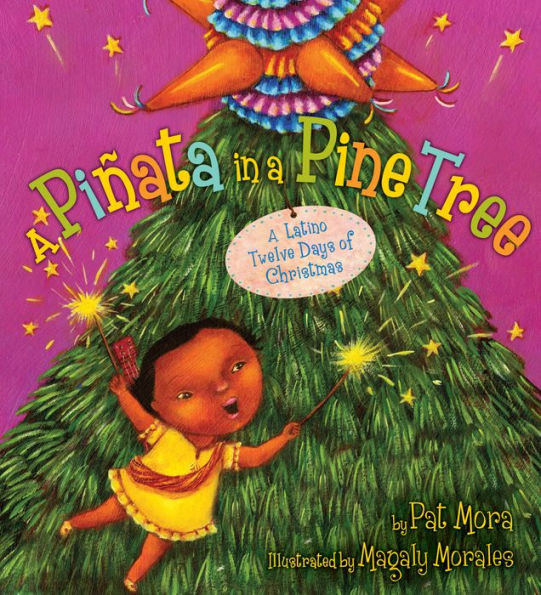

A Piรฑata in a Pine Tree: A Latino Twelve Days of Christmas by Pat Mora, illustrated by Magaly Morales 

This is a cute latine take on the Twelve Days of Christmas song, with stuff like tamalitos and farolitos taking the place of the birds and people of various professions in the original song. Pat Mora has written tons of Hispanic books for children and is very influential in the field, while the artist's first name is the same as one of my relatives. Behind the little girl cavorting with her stuff, we see her parents prepare, greet the visiting abuelita, leave (abuelita is babysitting), and come back with the final Christmas gift: a new baby sibling. Very cute, although the Spanglish may bother some (i.e. my dad and by extension me). I do recommend this. ★★★★½
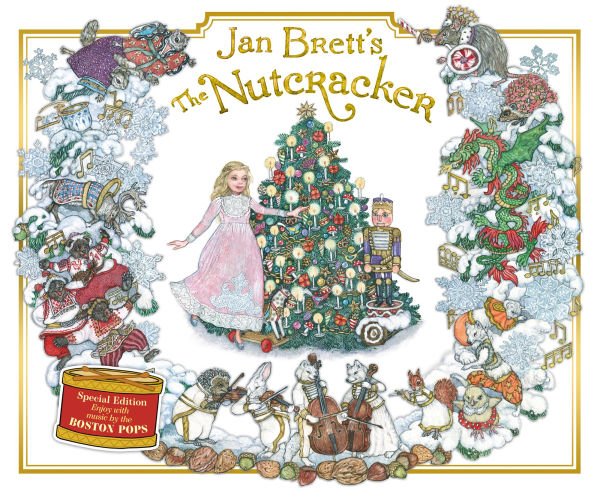


Jan Brett's The Nutcracker
, written and illustrated by Jan Brett

Jan Brett has been known for decades for her beautifully illustrated, richly detailed children's books. I was given her The Twelve Days of Christmas mini picture book in kindergarten by my teacher as a Christmas gift and reread it every year. This one is similarly lovely; I love the details of animals playing musical instruments on each page. I also recommend this one. ★★★★½


picture of a suited man sitting at a desk on the beach, with text above him reading: and now it's time for something completely different

It feels like everyone I follow/whose posts I'm forced to view despite not following them online is obsessed with the TV show Heated Rivalry. I am not immune to FOMO; I would have watched it, but my brother cancelled his HBO Max account. ๐Ÿ˜ข The next best thing? The books the show is based on. As a stickler for series book order, I read Game Changer, the first book in the series, then Heated Rivalry, the second, through my public library and Libby (both ebooks). 
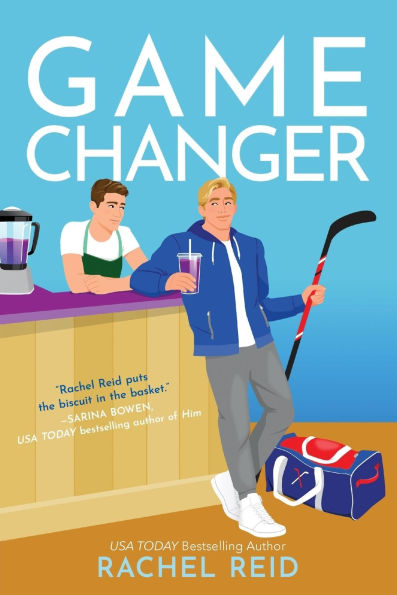
 

Game Changer by Rachel Reid

This is a famous athlete x normal person romance, where the famous athlete is a professional hockey player named Scott and the normal person is a service worker named Kip. They meet-cute at the smoothie shop Kip works at; after drinking Kip's recommended blueberry smoothie, Scott breaks his losing streak, to everyone's delight. Obviously that means he has to keep coming back before every game to buy another blueberry smoothie--just to keep winning games, definitely not to see the cute smoothie barista... Kip and Scott fall in love, but being famous in a bro-y sport means Scott is closeted, and Kip isn't sure being back in the closet is worth it. I liked this book a lot and found it both sweet and spicy. The characters' issues with self-worth and being in the closet felt realistic, and I rooted for things to work out for them. ★★★★ ๐ŸŒถ๐ŸŒถ๐ŸŒถ๐ŸŒถ


Heated Rivalry (Game Changer #2) by Rachel Reid

Reid's mlm hockey series seems to be loosely interconnected, and you don't really have to read GC first or else you're lost (although it does provide nice background context for That One Scene that Scott & Kip show up in). Shane is a Canadian good boy and does everything by the book; Ilya is a Russian bad boy and is always up in everyone's faces being a jerk. As the two best players in the entire hockey league, they have been in a ~heated rivalry~ since their rookie seasons--and have been secretly hooking up since then. I want to say this book takes place over 10 years? They wish they could quit each other (Brokeback Mountain reference) but can't. Can they open their hearts to love and be themselves without sacrificing the sport they love? I also liked this book a lot and recommend it to fans of the "rivals to lovers" trope. ★★★★ ๐ŸŒถ๐ŸŒถ๐ŸŒถ๐ŸŒถ


Weirdly enough, I was on the waiting list for a couple of weeks for the first book (which I expected), was shockingly able to read Heated Rivalry immediately with no wait, and am now on the waiting list for the third book... which is over 10 weeks long. Why.
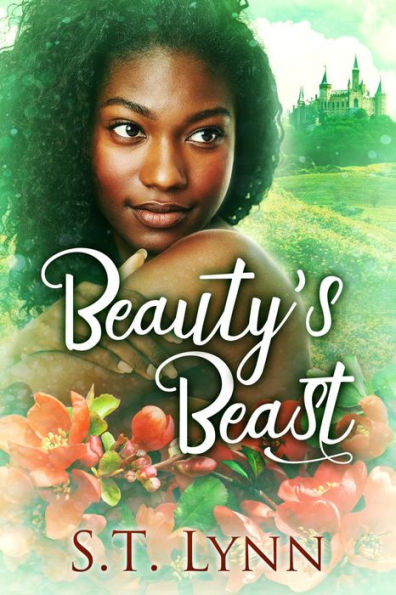

The final ebook in S.T. Lynn's Black trans fairytales series became free last month, and I happily snapped it up. I enjoyed Lynn's takes on The Little Mermaid and Cinderella and was really looking forward to this one, as Beauty and the Beast is one of my favorite fairytales. Beauty's Beast is very similar to most BatB takes that I've read; like Mer Made, it's based on the Disney movie (the servants were enchanted into furniture/furnishings). The Beast has antlers and communicates using sign language, which I thought was interesting. This novella is quite short, and I wished for more character development (especially for the relationship between Beauty and the Beast), but I liked the world the writer created. Their relationship felt more like friendship than romance, which is not IMO a bad thing. There were some writing issues and errors (I swear STL made Gaston blond in their book, but in his last description he has black hair??), which took me out of the story. Ultimately I did enjoy this, but the errors made me glad I waited to get this when it was free. There is a little transphobia, and some violence and blood/wounds. ★★★½ 


I bought two books from my friends at Something Novel Books during their pop-up last month, and I shockingly (for me) read one of them within days of buying it! I had watched and enjoyed The Thursday Murder Club movie on Netflix (the cast is excellent, especially Helen Mirren), so I was excited to read the book. I enjoyed the book even more than the movie! Four senior citizens at an English retirement village that used to be a nunnery get together to solve cold case murders in the Thursday Murder Club. To their shock and excitement, they all of a sudden have 2 new (and 1 old) murders to solve! In the process of sleuthing, they uncover the secrets of some of their community members. There is a lot that happens in this book, and a lot to keep track of. We often spend a chapter in various characters' heads, but the story is mainly told from Joyce's diary entries and Elizabeth's perspective. This book is also deeply funny; I was chortling at the reference desk reading it. I loved all the main characters and can't wait to read the rest of the books! This book is a bit too sad and violent to truly count as cozy mystery, but it's pretty close. Trigger warnings for the usual things you expect in a murder mystery (murder, blood, violence, nice police characters, etc.) as well as suicide, grief, and slight xenophobia. ★★★★ 

Friday, March 7, 2025

Book Review: Until the Last Petal Falls by Viano Oniomoh

When Eru was eleven years old, he met an unforgettable boy.

Only a few weeks after, he forgot all about that boy.

Ten years later, after his parents’ sudden deaths, all Eru wants is to find a way out of the village he was supposed to leave behind, and escape the abuse of his grieving grandmother. When he receives a summons from Able Mummy, the wife of the High Chief, it seems all of his prayers have been answered.

Able Mummy needs his help. But she and the High Chief have a secret.

Once Eru uncovers the truth, he finds that the fate of the village, and that of the boy he’d been made to forget, could lie solely in his hands.

Cosy, sweet, and intimate, Until the Last Petal Falls is a character-driven Nigerian queerplatonic retelling of Beauty and the Beast.


Of all the genres I love fantasy the most; of all the fantasy stories I love fairytales the most; of all the fairytales I love Beauty and the Beast the most, and of all the retellings out there I love diverse and LGBTQ+ retellings the most, so I added this book to my TBR list with a quickness. I heard about Until the Last Petal Falls through Bookstagram, and bought the ebook during a stuff-your-kindle sale. I broke my "no shopping on Amazon" rule to buy this as it's not available anywhere else. 

I really liked this book. The setting (modern-day Nigeria but with gods and witch doctor magic) was very interesting to read about, as was the way Oniomoh reinvents the tale as old as time. Like all* Beautys, Eru hands over his life and future to help someone else; like some other Beasts, Esioghene goes from angry and closed-off to open and loving. Both men are aromantic, and the queerplatonic relationship that develops between them is very sweet and tender. Most of the general BatB characteristics are there: big palace/house hidden by magic, roses with petals falling counting the days, curses, etc. I would consider this book to be cozy despite the difficult things the characters go through (both are abused).

Score: ★★★★⯨ out of 5 stars
Spice score: 0
Read in: February 21
From: Amazon

Genres/classification: fantasy, cozy fantasy, fairytale retelling, modern retelling, not quite fabulism but close, adult book I think, monster romance only without the romance

Tropes: forced proximity, magically bound to each other, found family, love conquers all, true love breaks the curse, love saves the day (all platonic love btw)

Representation: aromantic (both MMCs), gay queerplatonic relationship, all the characters are Nigerian as the book is set in Nigeria, ace vibes as well imo; author is (as far as I can tell) a Nigerian LGBTQ+ woman

Trigger warnings: child abuse, child neglect, domestic abuse, physical & verbal abuse, abusive & controlling parents and grandparent, depression, grief, parental loss (I think it was due to a car accident but I may be wrong), manipulation/deceit, memories magically erased

*ok probably not all

Tuesday, February 4, 2025

Book Review: Jonathan Strange & Mr. Norrell by Susanna Clarke

In the midst of the Napoleonic Wars in 1806, most people believe magic to have long since disappeared from England -- until the reclusive Mr. Norrell reveals his powers and becomes an overnight celebrity.

Another practicing magician then emerges: the young and daring Jonathan Strange. He becomes Norrell's pupil, and the two join forces in the war against France.

But Strange is increasingly drawn to the wild, most perilous forms of magic, and he soon risks sacrificing his partnership with Norrell and everything else he holds dear.

Susanna Clarke's brilliant first novel is an utterly compelling epic tale of nineteenth-century England and the two magicians who, first as teacher and pupil and then as rivals, emerge to change its history.

I FINALLY finished my reread of Jonathan Strange & Mr. Norrell, which I started last year with the 20th anniversary readalong. I mostly kept up with the reading schedule (albeit a week or so behind) until I didn't, pausing for over a month until I finally finished it halfway through January.

**mild spoilers throughout**

I would say the main plot is "autistic magician and ADHD magician have a friend breakup" if it weren't so contrary to the feel of the book, but that is basically what happens. Mr. Norrell is so obviously autistic in the way he is written: his special interests are books and magic, and he is very rigid with his rules; he has no social skills and doesn't follow social customs, and he gets overwhelmed at parties. I would argue that Mr. Strange has ADHD because he flits from career to career until he lands on being a magician, which quickly becomes his main focus in life over even his wife; he hyperfocuses on his magical studies and makes impulsive decisions on big things like moving mountains and stepping through mirrors to unknown lands without a game plan.

There are many characters in this book besides the eponymous ones; the second tier consists of menservants and ladies, and they are quite well-rounded characters, even if they are trapped by their social statuses (and for most of them, by the fairy villain). The sole character of color is Stephen Black, whose mother was enslaved; he goes through so much stuff that his story's ending is rather sad, to me. The women are controlled and let down by the men in their lives, and their agencies, lives, and voices are taken away. There are lots of duos in this book: the two magicians, the two kings, the two nameless slaves, the two ladies, the two menservants, the two big eras of English magic, doing magic versus reading about it...

SUCH a good book and so excellently written. The Regency England setting makes it familiar (apart from the magic, everything seems to be as it was in our universe, such as the Napoleonic wars), but the magical history stuff is so different and interesting. The fairytales mentioned in the footnotes feel familiar too, especially if you grew up reading Western fairytales a lot like I did. The atmosphere of the magic, how big and wild and ancient it is, is just wonderful; it puts me in mind of what C.S. Lewis called Northerness (and affected me much the same). 

If you've already read this book, this article I found on Pinterest compares JS&MN plot points and themes to Bible characters and stories (heavy spoilers!). It's utterly fascinating, and I can't believe I didn't realize some of those connections myself: the word(s) made flesh! The longing for the departed/absent king! I think C.S. Lewis would have liked this book.

You can read my first review of JS&MN here; interestingly enough, I first read it on its 10th anniversary year.

See my Pinterest moodboard for JS&MN here.

Score: ★★★ out of 5 stars
Spice score: no spice
Read in: November 4, 2024-January 19, 2025
From: thrift store purchase (old)

Tropes: taken by fairies, the student has become the master, forced proximity LMAO

Representation: Black man secondary character, several working class and poor minor to very minor characters, the neurodivergence mentioned above (it is a headcanon but I am correct)

Trigger warnings: murder, gore, dead bodies, war, slavery (past, discussed), racism, death, animal endangerment, injuries, and death; body horror, kidnapping (by fairies), magical stalking, period-typical sexism & classism, supernatural horror, women let down and betrayed by men, Lord Byron (jk)

Wednesday, September 25, 2024

August ebooks

It is bugging me, but I can never figure out how to capitalize ebook/s. Ebook looks too boomerish, and eBook seems pretentious. Ah well.

After that fantastic reading month, I naturally reverted back to my normal "not reading, and when I do, it's ebooks" status. 

Making Waves by Joane Rock (summary) ★★★  ๐ŸŒถ๐ŸŒถ๐ŸŒถ/๐ŸŒถ

Has this happened to you? You download a free romance novel ebook that promises to be steamy, but instead you're forced to read about the two leads bickering and having relationship drama for basically the entire book. Typical dramatic lustiness, and the characters were little more than cardboard. They used to date when she was 20 and he was 25 or 26, which skeeved me out. Not only was everyone in their lives was okay with this, they all actively thought they were perfect together and should get married, but then he dumped her out of the blue without telling her why (it was to go into the army as it was the 2000s). There's one scene where they go at it in a first class airplane sleeper room which makes no sense to me because I think first-class sleeper sections of airplanes aren't enclosed? Like they're not sleeper cars in a train? I have no real idea; my only knowledge of flying first class is watching Crazy Rich Asians. The hero also has some sexist alpha-ness, which is typical for the genre (not as much as others though) and always annoying. Is anyone else sick of reading about contemporary romance novel heroines who are simultaneously virginal and sexy, girlish and a mature woman? I am. I think I need to stop reading contemporary het romances. Trigger warnings: trauma involving a family member kidnapped by terrorists in I think Afghanistan (past), army veteran hero, the aforementioned age gap, that's it I think


Cinder Ella by S.T Lynn (summary) ★★★.5 

I really enjoyed this author's The Little Mermaid retelling, so I was excited to buy this ebook on sale. Like that one, this retelling has a Black trans woman as the lead. There are some Brandy Cinderella vibes. The beginning is as usual, with the step-family's awfulness and abuse including transphobia towards Ella. The ball invite comes from the princess herself, who likes Ella's dog and chats with her for a while. It's very cute. The fairy godmother is a mysterious dress seller whose dress shop-carriage is bigger on the inside. For some reason there's no magic to make her unfamiliar to her step-family at the ball, and, enraged at "him" for "his" transgressions, they drag Ella out, kick her out of the house and drop her off at the farthest part of town. Why not encourage Ella's interest in the princess so they can be in-laws with the royal family? The step-family is so stupid. The whole "whichever woman can fit into this shoe" thing makes sense in this telling as the princess first met Ella when she was presenting as a man, and she was presenting as a woman at the ball. Ella grows roses, which is nice but also a bit out of the Cinderella lane; they are important to the plot. There's this whole thing about Ella working for/as a baker and making a life for herself that felt like it was starting to go somewhere, but then it didn't, which was, like, 'why, then?' to me. The ending is a bit rushed and fairy godmother ex machina, but it's a nice little retelling that I enjoyed. I'll probably end up buying the other book in this series later.  Trigger warnings: transphobia, transmisogyny, physical and verbal abuse, forced servitude/slavery as is usual in Cinderella

Thursday, June 13, 2024

short book reviews for ebooks I read in May

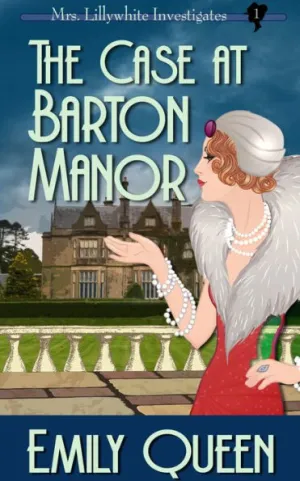
The Case of Barton Manor by Emily Queen, read on May 9

This is a murder mystery set in England in the 1920s. Rosemary Lilywhite used to help her late husband run his private investigator business, but she decides to put that all behind her now that he's gone. However, an old classmate comes to her for help after her father receives a death threat. In order to help her, Rosemary must reenter society, putting up with her mostly annoying family and everyone's scrutinizing eyes. She has help from her best friend, a scandalous flapper, and the detective in charge of the investigation for the murders, a friend of Rosemary's and her late husband's who is secretly in love with her. Additional motivation to solve the murders comes in the form of Rosemary's brother being the main suspect! I enjoyed this freebook (free ebook) and it really helped pass the time at the reference desk. I liked Rosemary and her flapper bestie and found the 1920s high society stuff interesting, but the author would jump from Rosemary's POV into a side character's head in order to tell us what they were thinking in a jarring way that is telling rather than showing. I would read the rest of the books in this series if the ebooks are free. 3.5 out of 5 stars. Trigger warnings for murder, blood, violence, attempted kidnapping, guns, sexism, alcohol and drunkenness/blacking out, classism


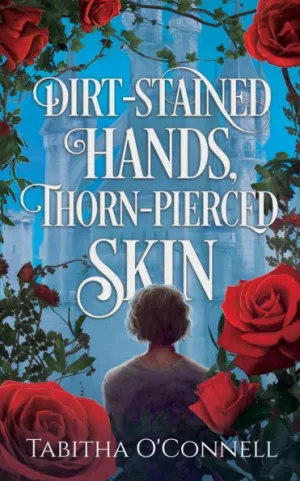
Dirt-Stained Hands, Thorn-Pierced Skin by Tabitha O'Connell, read on May 28

This novella is a Beauty and the Beast retelling with a nonbinary protagonist. The storyline closely follows the first half of the Disney Beauty and the Beast movie, except that "Belle" is dating "Gaston", and the inventor father is now the inventor mother. You can read the book summary here. The castle from the story is now the fabled castle of mythic mages, who are still talked about in fables told to children. No one even knew the castle existed. Worried about eir mother being trapped there with an injury, Heron leaves to go to her. The castle is just as cool and mysterious as other tellings' castles have been. Instead of the original (?) invisible servants or their floating hands (or Disney's anthropomorphized furnishings), there are automaton servants built by the mages. The "Beast" is the mysterious Theomer, who is not a beast or a mage but a quiet man hiding behind a cape and a wild mane of hair. The curse is hinted at in the title. Heron gets a job at the castle working as a gardener so ey can make some money to help eir mom and have time and space to think about what to do about eir partner Thiel, who keeps pushing em to move in with him. However, Heron and Theomer grow closer, and Theomer draws em in more than Thiel ever did... Overall, I enjoyed this book very much, but it left me wanting more. I wish the author had written a full-length novel instead of a novella so the relationship between Heron and Theomer as well as the curse could be fleshed out and dwelled on more. I highly recommend this book! 4 out of 5 stars; 1 chili pepper ๐ŸŒถ for spice simply because there are off-page sex mentions and some kissing. Nonbinary (with neopronouns), queer, and gay representation. Trigger warnings for body horror, blood, uneven/controlling relationship dynamics, characters refusing to have adult conversations and running away from their problems

Tuesday, April 9, 2024

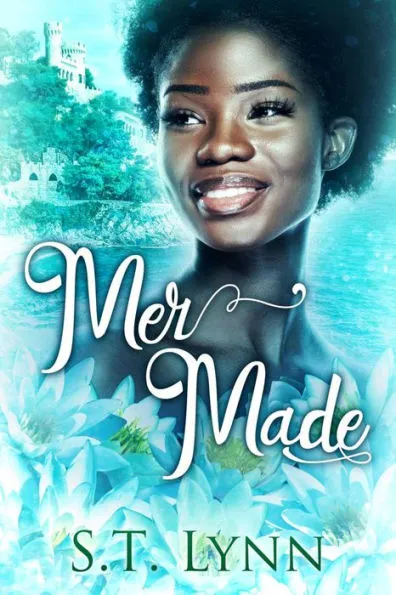
Book Review: Mer Made by S.T. Lynn

Erika, who has to hide being a trans woman, sneaks on deck in her mother's dress in the dead of night and a superstitious deckhand throws her overboard from the ship. But drowning at sea isn't how Erika plans to die. She cuts a deal with a sea witch for more than her life--for the first time, she is transformed into the woman she's always known was inside. Her dress becomes a mermaid tail, and all it took was her voice.

However, the witch is on the hunt for the undersea throne, the seat of power. Ariel, the last daughter of the king, must marry in three days or the first place Erika has ever called home will be destroyed. The magic of true love is the only thing that can save them now.

This was an ebook that I downloaded for free and read on the Nook app. As you know, I am a sucker for any and all kinds of fairytale retellings, especially LGBTQ+ ones. Obviously this is a The Little Mermaid retelling, but specifically a retelling of the Disney version of the story (Erika = Eric). I read it for the Trans Rights Readathon in late March.

I thought it was well-written, although there were some errors (shined used instead of shone. I myself had to add several commas to the summary above). While I understand that the sailor throwing Erika overboard needed to happen so the story could happen, I thought it was kind of ridiculous. Obviously I know about the superstition that a woman on board a ship is bad luck, but for a sailor to be so superstitious that he sees a woman on board, grabs her, and throws her overboard??? No one would do that. He would be in such big trouble for drowning a passenger, especially one connected to the governor (Erika's transphobic dad). Sailors might be superstitious but they are practical. I liked Atlantis (that's what the merpeople city was called, right?) and thought the worldbuilding was well done; I want to visit it.

The problems were all solved kind of quickly and through magic: Erika is saved from drowning by Ursula who turns her into a mermaid (fair), Erika's voice being stolen from her by Ursula is solved by Ariel magically copying and pasting her knowledge of sign language into Erika's brain, plus the big issue at the end of the book that I won't spoil for you. I did like how diverse Atlantis is; there's tons of physical diversity, so Erika (who is Black with dark skin) fits right in, and there are enough deaf merpeople that everyone learns sign language by default, which is cool. It's also a queer-norm society, so I'm not sure why the Rule/Prophecy or whatever specified that Ariel needed a husband. I thought Erika and Ariel's friendship and then mutual pining was cute; the whole thing about them falling in love while trying to find Ariel a husband in three days for The Big Issue was a bit silly and done before. Overall, though, I did enjoy this short cute retelling of The Little Mermaid and would recommend it. S.T. Lynn has written at least one more Black trans fairytale retelling that I'd like to check out. 

Mer Made aesthetics moodboard

Score: 3.5 out of 5 stars
Spice score: 0.5 out of 5 chilies ๐ŸŒถ (just kissing)
Read in: March 27
From: Barnes & Noble/Nook  

Representation: Transgender, trans woman, Black, character with dark skin, sapphic (lesbian, bi/pan/omni etc. women), mute character, sign language usage, mentioned deaf rep (no named characters)

Trigger warnings: transphobia, near-drowning, misogyny, sexism, mentioned past physical abuse, abusive parent, parent death, grief, instead of having Erika agree to sign away her voice for a pair of legs mermaid tail, Ursula just took it without asking, which, hello, consent!

Thursday, March 14, 2024

Book reviews: C.S. Lewis's Space/Ransom trilogy

The Space Trilogy (or Ransom Trilogy) is C.S. Lewis' only other fantasy (under the guise of science fiction/scientifiction) series, and when I read them the first few times, I loved them so much that I listed them among my favorite books. I've reread them now for my C.S. Lewis class, and my feelings about the books have changed. 


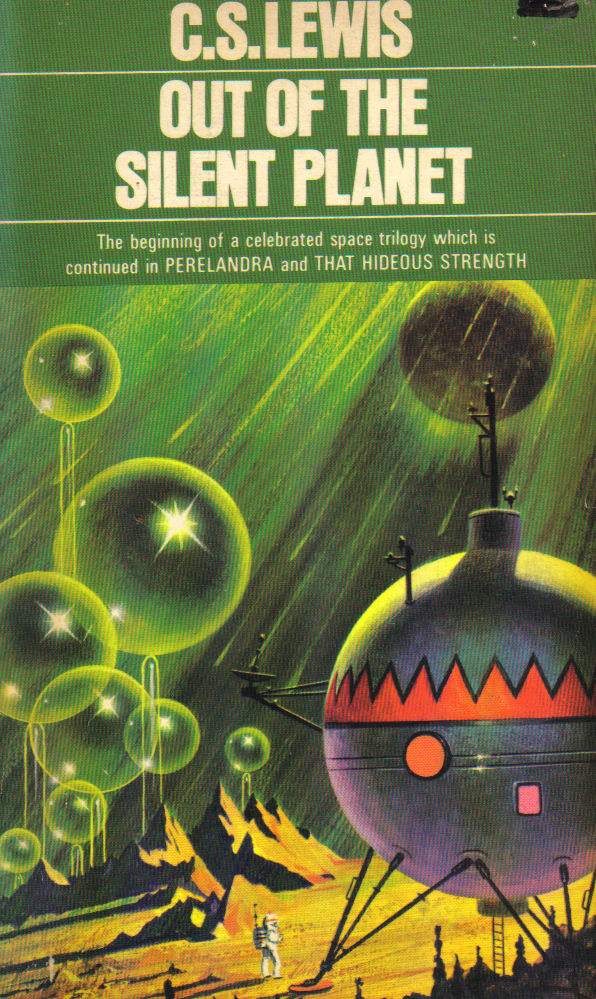
Out of the Silent Planet (description) - The first book in the trilogy remains my favorite. The fascinating planet and its inhabitants, their language and Ransom's learning of it, and the way Lewis marries science fiction with fantasy and Christianity makes this book so enjoyable to me. The opinions CSL promotes in this book are of the "we should not colonize other planets/don't be obsessed with furthering the human race to the point that we lose our humanity" variety, which is slightly surprising until you remember he's Irish. On the whole I agree with him; I think I enjoyed the other books in the trilogy less because I don't agree with the beliefs he endorses there. A couple things I found funny are that Dr. Ransom (a philologist) is based on J.R.R. Tolkien, and the space travel science is completely silly. Anyway, I really liked this book but I don't think I count it a favorite anymore. 4.5 out of 5 stars, permanent collection. Trigger warnings: everything you should expect from a male-written 1940s sci fi book, murder, death, animal abuse and killing mention, ableism, kidnapping, guns/shooting death, colonialist genocide mentions

Aesthetics moodboard for Out of the Silent Planet


Perelandra (description) leans almost completely outside of the science and into fantasy. The medieval cosmology he folded into his science fantasy is much more dwelled on, and I love the mythological references Lewis added to the story. Perelandra is new, lush, and beautiful, and I enjoyed spending time in it. I did not enjoy the spiritual horror that threatened it through one of the antagonists from OotSP. I also wasn't crazy about traditional/old fashioned gender beliefs being shoehorned into the story through the planet gods. Lewis was nonplussed that most people didn't pick up on the Christianity in the first space book, so he really hammered it in here. I gave this one 4 stars. Trigger warnings: murder, death, violence, cosmic/spiritual/supernatural horror (demonic forces), demonic possession, body horror, zombie if you squint, animal abuse and murder, blood, gun, a huge bug-like creature shows up for a bit

Aesthetics moodboard for Perelandra


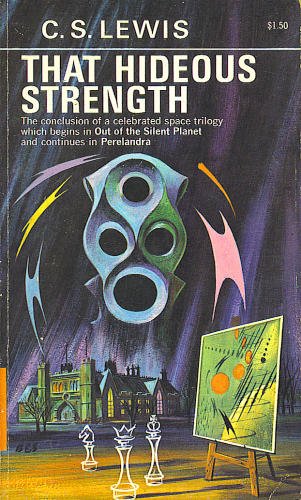
That Hideous Strength is the last book in the trilogy and takes place entirely on earth. Ransom is no longer the main character/focus; instead, we have alternating POVs from Jane and Mark, a young married couple who are bored with their lives and each other. Jane's dreams of the future bring her into Ransom's circle, and Mark's desire to be in the inner ring/popular & intellectual group brings him further into a shadowy organization (ironically called N.I.C.E.) that wants to control the universe. There's an exciting subplot with Arthurian fantasy and more medieval cosmology planetary influence stuff that I really enjoyed. There's also spiritual/supernatural horror in this book, albeit less direct that in Perelandra, but still creepy because an organization like N.I.C.E. could really exist and take over cities with police control and make bad people evil. There's a so-bad-it's-almost-funny butch lesbian cop stereotype who is written to be monstrous and evil. Lewis hammers in even more nonsense about gender roles and how it's an "erotic necessity" for the woman to obey her husband, which, like, your k!nks are not universal, babe. Just because you feel that way doesn't mean it's a natural law. Jane is not a very likeable character (Lewis is famous for being sexist, at least until he met his wife), but almost all the men are dicks to her in this book. It's not her fault her husband sucks and neglects her by eating all his meals at the university and then ditching her for weeks and weeks to live at the Institute. Jane never asked to get future dream visions or (spoiler, highlight to read: be part of a bloodline that was supposed to end with her birthing a future warrior for God or something, which no one told her about!) Justice for Jane! One thing I did find kind of funny is that Lewis posits there are seven genders because of the seven heavens/planets. Kind of based? 3.5 stars. Trigger warnings: murder, animal attack + massacre, gore, rape, torture, body horror, cosmic/spiritual/supernatural horror, police violence, town placed under police control and people driven from their homes, mob violence, animal abuse and experimentation (vivisection), guns and shooting deaths, eugenics and ableism mentions, genocide mentions, homophobia, homophobic stereotype character, misogyny and sexism, gender roles, homelessness, sex mentions

Aesthetics moodboard for That Hideous Strength

Monday, June 12, 2023

Rest of May books: Marvelous Middle Grade Monographs

I've been putting off writing book reviews for the other books I read in May, so I decided to just write about them all in one post. They are all children's books, on the high and low ends of the middle grade spectrum.


The sole new read of this post is The Girl Who Drank the Moon by Kelly Barnhill. You can read the book summary here. This book was a lovely, sad, and engrossing fairytale with memorable characters. The title is a little misleading since Luna doesn't drink the whole moon, but is given moonlight to drink by accident as a baby, which makes her very magical. It gave me the same lovely sadness as The Last Unicorn, and was similarly filled with mystery and magic and wonder. I read it because I thought it was set in an Asian or Asian-inspired country, since Luna's dress and Xan's name feel Asian to me (and because of the origami cranes), and I wanted another Asian read for Asian American Heritage Month. It's not; the setting is more like a typical fantasy setting with the woods, but the Bog is unique. The poems of the Bog and Bog Monster's origin were lovely and echoed the beginnings of Genesis and John. There are some classic fairytale elements, such as the witch, the dragon, the foundling(s), and the seven-league boots, but this book felt both familiar and new. It will stay with me for a long time. 4.5/5 stars, keeping for now. Aesthetics moodboard  Trigger warnings: baby abandonment, babies left to die in the forest (they are always rescued), baby forcibly taken from its mother, imprisonment, corrupt power-hungry leaders, permanent disfigurement due to (magical paper) bird attack, grief and sorrow and regret, a forgetting and magic-sealing spell is placed on a child and it gives her terrible headaches, old woman (witch) becomes very old and frail in a way reminiscent of disease and dying, death, pain


I've been working on reorganizing and shelving my books, and I came across and read The Boxcar Children, which is the first and best book of the series and an old childhood favorite. This book, which is on the border between early reader and middle grade reading levels, is about the four Alden siblings who, orphaned and alone in the world, move into an abandoned boxcar and live off of the land, the dump, and oldest-born Henry's lawn mowing job. The depictions of finding crockery in the dump, swimming in the creek, and picking blueberries while living in a boxcar sounded so dang fun to me as a kid, and they honestly still sound really fun now. The kids are industrious to the point of being didactic, and the labor is really gendered for some reason, but this doesn't take away from the fun of the simple life. As a kid I mapped my siblings and myself to the four Aldens, as 2 are girls and 2 are boys just like us (I was Jessie, in case you're wondering). I gave this one away as I have limited shelf space, but I can always revisit it at the library. This is a good article, albeit spoilery. Here's a blog post by Danny Lavery, who agrees with me! 4 stars, sold/given away. Trigger warnings: poverty (but Fun™), food insecurity, orphans, old-fashioned gender roles, Protestant work ethic/values, illness, family estrangement, the doctor tells the kids' grandfather where they are without their consent/telling them despite knowing the kids don't want their grandfather to know they're in town


I watched the animated Disney Alice in Wonderland movie last month, which I'd seen bits and pieces of but hadn't watched all the way through. I enjoyed the movie and its iconic aesthetic, although I wish they'd stuck to just Alice's Adventures in Wonderland without adding stuff from Through the Looking Glass. Naturally, I reread both from the library while sitting at the Reference desk. Enjoyable and weird as always; I think it'd been too long since my last reread since there had been some things I'd forgotten. Obviously I recommend the two Alice books since they are my favorites. For full explanations of all the references, jokes and math, I recommend The Annotated Alice edition, which has both Alice books. The library copy I read had both books and originally had the cover at left. 4/5 stars for both. Trigger warnings: references to death and accidents, adult-seeming characters grab at Alice and scold/demand things from her, fantasy violence (off with their head), sentient animal cruelty, a moment of classism and ableism from Alice about a poor and "stupid" classmate, rudeness, weirdness

Monday, May 1, 2023

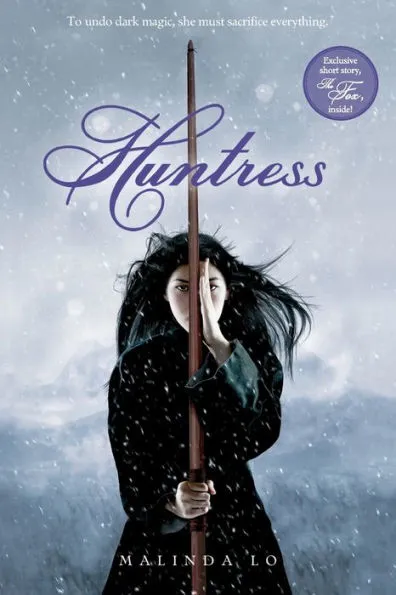
Book Review: Huntress by Malinda Lo

I loved Ash and consequently put Malinda Lo on my must-read authors list. Huntress is a sort of prequel to Ash, set hundreds of years before. 

Nature is out of balance in the human kingdom. The sun hasn't shone in years, and crops are failing. Worse yet, strange and hostile creatures have begun to appear. And the people's survival hangs in the balance.

To solve the crisis, the oracle stones are cast, and Kaede and Taisin, two seventeen-year-old girls, are picked to go on a dangerous and unheard-of journey to Tanlili, the city of the Fairy Queen. Taisin is a sage, thrumming with magic, and Kaede is of the earth, without a speck of the otherworldly. And yet the two girls' destinies are drawn together during the mission. As members of their party succumb to unearthly attacks and fairy tricks, the two come to rely on each other and even begin to fall in love. But the Kingdom needs only one huntress to save it, and what it takes could tear Kaede and Taisin apart forever.

I really liked this book, which felt spiritually similar to Ash as it is set in the same world. At first I thought that Huntress told the real version of the fairytale Kaisa tells Ash, but upon rereading my Ash review I saw it was actually a story about a huntress falling in love with the fairy queen (if my memory was correct), which is not what happens in this book. Kaede does end up having a sort of connection to the fairy queen as a result of what happens in the book, but it's not romantic or long-lived.  Maybe the fairytale mixed stuff up? Inaccuracies can happen in old stories. Or maybe it was a different fairytale altogether.

The magic system and culture are more closely inspired by Chinese culture; the book summary says Huntress is "overflowing with lush Chinese influences and details inspired by the I Ching". I've never read a fairytale-inspired book with the traditional fae and changelings etc. with a Chinese influence, and it felt fresh and interesting. The fae stuff in the forest was really creepy to the point of being horror, and also fascinating to read. Some of the magical creatures preying on humans were Chinese-inspired, such as the fox-lady best known to me as a kitsune. The humanoid Fae were the same kind of creepy and attractive as the fairy prince in Ash

I like reading about Kaede learning to fight with different weapons and Taisin learning to use her magic. I liked the other members of their party as well, and was saddened when bad stuff happened to them. There was this weird thing throughout the book where we'd switch from the perspective of the main 2 girls to another character, and it was jarring and felt like telling rather than showing. I wish Lo had kept the omniscient third person narrator to just the 2 girls. The economic inequality and desperate poverty the common people live with made me angry. The love aspect of the story was made interesting by Taisin having a future vision that she would lose Kaede while being in love with her. Naturally she fights her attraction to Kaede in order to keep Kaede and herself from being hurt. Spoilers, highlight to read: IDK if it's that much of a spoiler since the book summary literally says they fall in love, but it bummed me out that they parted ways despite loving each other so much. Taisin wants to be a sage, and sages cannot marry or have romantic entanglements. It is a common story ending though. There is no homophobia in this world, which is nice. Kaede becomes the first Huntress. I found the ending rather abrupt and sad. My copy, which I bought at The Strand in NY, includes a short story set not long after Huntress where Kaede grapples with her grief and a kitsune. It was interesting but didn't really add anything. Are all of Lo's books and stories this soaked with grief?

I read this book in the JFK airport as my flight kept being pushed back and my gate kept being changed, and reading Huntress really helped keep me sane. Thanks Malinda!

Score: 4 out of 5 stars
Read in: March 22
From: The Strand at Columbus
Status: keeping

See my aesthetics moodboard for Huntress!

Representation: lesbian mc, sapphic mc (no other love interests so can't confirm if she's a lesbian), butch minor character?, all the characters are Chinese/Eurasian but idk if that counts

Cover notes: Love it. I thought Kaede was holding a sword but it's actually a bow. A king's guard teaches her how to shoot with a bow and arrows.

Trigger warnings: murder, death, dead bodies, not-really-a-baby death (a changeling is killed in monster form but reverts to baby form after it dies), horror, gore, blood, imprisonment of sentient magical creatures, enchantments/spells to control/endanger/kill humans, economic inequality with rich people hoarding the food/resources, sad ending where they don't end up together. "The Fox" short story: magical dubious/non-consensual s3x (a monster magically disguises herself as Taisin and initiates s3x with Kaede to feed from her)

Thursday, April 6, 2023

Rereads of March

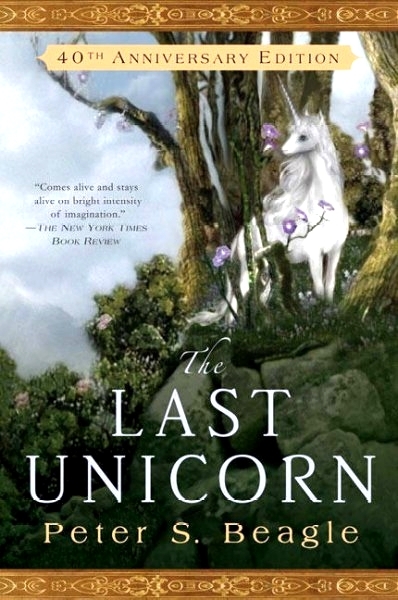
In March I had issues with my electricity, so I unplugged my router and modem in case that was the issue and consequently had no internet, so I watched my DVD of The Last Unicorn, which I had never seen. This made me reread the book, of course. It's such a lovely, mysterious, sad and longing-filled book. The unicorn learning she is the last, the magician being unable to touch her, the prince being in love with her as a human, and of course Molly Crue. The older I get the more I identify with her. Like her I have long desired to see a unicorn, but for me it is impossible. I am hardened by living in this world, but books like this remind me of my longing to live in fairytales. Please read this wonderful book so we can have broken hearts together. 4.5 out of 5 stars, permanent collection. Trigger warnings: death, fantasy violence, a baby is left out in the cold to die (he doesn't), kidnapping and imprisonment, virginity mentions, that thing where a beautiful woman is the object of men's love and devotion and (subliminally) desire even though she doesn't want to be (because she's a unicorn) and it's all too reminiscent of how society still teaches that women exist for men and that whole male gaze/male fantasies thing and yeah


I reread Something That Will Shock and Discredit You by Daniel M. Lavery for the trans rights reading challenge, and enjoyed it again. Here's my short book review from last time I read it (funnily enough also in March):

I've loved Lavery's writing ever since the old The Toast days, and will read everything he writes. I loved all the Bible references which he used as descriptive parallels to his transitioning (Jacob wrestling with God and being given a new name, etc.). He also did several of his signature retellings/reimaginings of classical poetry and literature. This book was funny and poignant and I liked it very much. 4 out of 5 stars.
     Trigger warnings for this book: dysphoria, transphobia, Bible passages, depression and anxiety, I don't remember if he mentions his dad enabling a pedophile but if he does that's definitely one


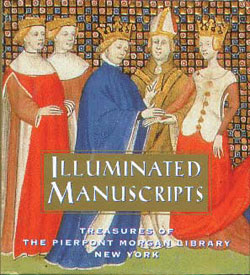
I know this is supposed to be only rereads, but I decided to throw in my last read of March, a small book about the illuminated manuscripts of the Morgan Library & Museum. I went there during my Spring break trip to New York, and it was gorgeous (I only saw the library and historic rooms as admission for those was free). I love me a museum gift shop, and I bought this book there. I love illuminated manuscripts and book history and consequently enjoyed reading this book, but because of the book's small size, the images of the illuminated manuscript pages were tiny, and it was hard to see the details. They should have made this into a regular-sized or large book for that reason (I know those exist). 4 stars, keeping. Trigger warnings: flaying mention and (cartoony) illustration, martyrdom and deaths/murder depictions, Bible stories and characters, Christianity

Friday, September 2, 2022

Book Review: Cuentos: Tales From the Hispanic Southwest

I was thrilled to find this book at my thrift store, as I am not very familiar with Latinx folklore the way I am with other cultures' stories. Back of book summary below:

Witchcraft and magic and the events of everyday life in the Hispanic villages of New Mexico and southern Colorado flow through this collection of cuentos. Together the tales evoke the rich tradition--the wisdom, customs and values--of the early Spanish Settlers and their descendants.

What this doesn't say, and what the compilers/translators emphasize, is that it's not just the Spanish heritage; it's all of the cultures in the Southwest who are combined in the people and in their stories: Spanish, Mexican, and Native American. You see Mexican Spanish words derived from Aztec used (tecolote, zacate), Native American terms (tata/tatita), as well as terms that are clearly from the local dialect of the time (asina for asi). This is fascinating from a linguistic standpoint, and I recommend those studying Spanish and/or Latin American dialects to read this book. There is a glossary in the back for some of the different terms, which of course I did not find out until I was almost at the end. 

Each tale is told in both Spanish and English, with the Spanish on the left page and English on the right; this makes it a bit annoying to read. I struggled through the Spanish parts because of the archaic terms and dialectal differences, and also because my Spanish reading level never improved past elementary school. I'd say I understood anywhere from 80-99% of the text. The English translations definitely took liberties with the source material. I understand that good translations capture the spirit of the text rather than translating just the specific words directly, but there were way too many changes, many of which didn't make sense. Some changes I could see, as the original tales took it for granted that everyone would automatically know everything referenced in the story, but some things were expanded on in an unnecessary way. Some translation choices actually changed the connotation or story. Some examples: one cuento mentions a somewhat conniving Jewish jeweler, while the English translation doesn't mention he's Jewish at all (because of the antisemitism? This was published in 1980; were people that concerned about antisemitism then? Wouldn't it be the correct thing to leave the antisemitism in?). Another cuento mentions women turning into owls; the English text calls them old women. Yet others ascribed emotions, actions or descriptions to characters etc. that weren't present in the original text. It's just so irresponsible. These are learned writers who should know what they're doing! Bad translations are one of my pet peeves.

You may notice that I didn't include an author; this is because it's a bit muddled. The subtitle states that Juan B. Rael originally collected these oral folktales from Colorado and New Mexico, and Jose Griego & Maestas compiled and adapted them for this book, while Rudolfo A. Anaya (author of Bless Me, Ultima!) is the one who made the English translations. Of course, it's basically impossible to know the sources/authors of these stories, as with oral tradition, each teller can add their own details in every telling.

Some of the stories are very short and are almost like longish jokes with punchlines. These often poke fun of or criticize corrupt priests or selfish rich men. Simple indio/Native American characters often get back at these. Christian and Catholic personages like Jesus, the Virgin Mary, St. Peter, and God often show up and are depicted as characters, sometimes acting human. Death also shows up a lot. I learned there are different versions of death, not just the one skeleton with a scythe. One is called manita muerte, short for little sister (hermanita) death. Some of the stories are unsurprisingly moralistic and Catholic/Christian; others involve people getting rich. These reminded me of fairytales I've read, because of the formerly oral feel and moralistic/getting rich themes. There's one about a guy who saves a snake and is awarded the ability to talk to animals and consequently finds money and gets rich that, apart from the setting and language, could have come from Grimm's (the introduction says it's from the 1001 Arabian Nights, which, fascinating). Instead of the familiar "habia una vez.." beginning, these all begin very plainly with "Habia..." or "Esta era un hombre...", which I found interesting. Almost all of these stories have male protagonists; the only one who kinda has a female protagonist is about a shapeshifting witch who's bested by a man.

Overall, I enjoyed this book and am glad I bought it. I think I'm keeping it, although I'm lending it to my dad next so it might end up at my parents' house. I like learning more about Latinx literary culture. 

Score: 3.5 out of 5 stars
Read in: July 24-August 31
From: Savers thrift store
Status: keeping for now

Cover notes: The cover depicts art from the same artist who drew the inside illustrations. I think it's fine. Death never flies over anyone's house in any of the stories, although they are featured quite often.

Trigger warnings for this book: elder abuse and neglect, child abuse and neglect mentions, anti-indigenous racism, period-typical sexism, gambling addiction, fantasy violence, death, Christianity and Catholicism, church and clergy corruption, thievery, witchcraft, can't think of anything else but if you've read fairy tales and folklore from the 1800s then you know the vibe

Wednesday, June 15, 2022

Book Review: Ash by Malinda Lo

Spoilers throughout, since I'm incapable of talking about a book without saying them


Malinda Lo's books have at least tangentially been on my radar for a while because she writes a lot of fairytale retellings, and those are my favorites. I've never read anything by her, though, as I don't read a lot of YA these days (well, much less than I used to in my twenties). I got this one from Book Outlet, unsurprisingly. Book summary:

In the wake of her father's death, Ash is left at the mercy of her cruel stepmother. Consumed with grief, her only joy comes by the light of the dying hearth fire, rereading the fairy tales her mother once told her. In her dreams, someday the fairies will steal her away. When she meets the dark and dangerous fairy Sidhean, she believes that her wish may be granted.

The day that Ash meets Kaisa, the King's Huntress, her heart begins to change. Instead of chasing fairies, Ash learns to hunt with Kaisa. Their friendship, as delicate as a new bloom, reawakens Ash's capacity for love—and her desire to live. But Sidhean has already claimed Ash for his own, and she must make a choice between fairy tale dreams and true love.

Entrancing and empowering, Ash beautifully unfolds the connections between life and love, and solitude and death, where transformation can come from even the deepest grief.

Everyone is familiar with the sadness of the Cinderella story: Cinderella's father is dead, or isn't around to defend/protect her from her wicked stepmother and stepsisters; said steps treat her cruelly and force her to be a servant; they don't let her go to the ball. But Ash is soaked with grief from beginning (we open on Ash's mother's funeral) to almost the end. Grief and a desire to escape is the constant throughout the story. An explanation is given for the stepmother forcing Ash to be a servant: Ash's father saddled the family with his debt when he died. The numbness from grief and depression explains why she stays and doesn't fight back. Ash does feel grief about her father's death, but it's more about losing the last bit of childhood safety and security that she had. If her grief for her father's death is a lake, her grief for her mother's death is the ocean.

The plot with Sidhean is interesting. You may have gathered from the name that the country this book is set in is based heavily on, or is a version of, medieval/renaissance Ireland (Ash's actual name is Aisling, pronounced ASH-ling). The fairies of this book and its stories are the dangerous, alluring fairies of Irish (and other) folklore. They spirit unsuspecting or enthralled humans away, steal babies and leave changelings, time in fairyland is different than time in the human world, and they are said to be found in the deep forest. Ash returns to the forest again and again for this reason. Her life is so miserable that she'd prefer to be taken by the fairies, and wonders if they took her mother. Ash's dynamic with Sidhean, who of course is gorgeous, alluring, and kind of creepy in his unhumaness, is very standard YA/sometimes adult fantasy romance. She is attracted to him, literally; she is drawn to him like a pin to a magnet. She continually asks him when he will take her away. She is SPOILER the one human Sidhean has ever fallen in love with, due to a curse. That Ash ends up with the huntress Kaisa instead is truly the funniest form of straightbating I've ever seen. I knew it was going to happen, but the way their dynamic is written made me question it, as the straight pairing really feels inevitable. END SPOILER

The dynamic with Kaisa is interesting. She's the King's Huntress, which is such a kickass title and job to have. Their relationship is a really slow-burn one, in contrast to the instant attraction to Sidhean. At first they just seem like friends. While Sidhean represents the deep, dangerous, and dark part of the forest, Kaisa is the normal, light-filled, nature part of the forest. Ash has been cooped up in the house and walked constantly in the dark of the forest, hoping to be taken, but Kaisa brings light into her life, offering her kindness and friendship to Ash. Kaisa teaches Ash to ride a horse. Ash goes to the royal hunt and the ball to see her. It may seem to most readers that less time and effort is spent on developing or depicting the relationship between Ash and Kaisa, that it lacks the spark that Ash and Sidhean have, but it's important that love is shown as not the flash of attraction, but as a quiet, steady thing you build together over time. 

I loved the little flashes of queerness in this book. It is of course very queer to feel as if one doesn't belong, to long for escape, and to be hated or abandoned by one's family, sadly. Read this article for a queer mini-analysis of Cinderella. The first time Ash feels seen after her parents' deaths and enslavement is when the huntress before Kaisa visits the manor Ash's stepfamily are guests at and smiles at and talks to her, telling her a fairytale and maybe winks at her? Ash feels alive and is a bit disappointed when the huntress leaves without looking at her again. Kaisa tells her a fairytale about a huntress and fairy queen falling in love (!) to gauge if Ash is queer. When at her stepmother's relative's house, the other servants convince her to sneak off with them to a bonfire costume party and give her a (boy's) page uniform to wear. Ash is struck at how transformed she is in male clothing, and she likes what she sees in the mirror. At the bonfire, she sees two women laughing and kissing. There is no homophobia in this universe, although heteronormativity exists. The prince still needs to marry a princess, and when Ash sees him, she wonders why her stepsisters would ever find him handsome (lol). I think today's teens would get too impatient with the lack of overt queerness (besides KAisha), as this book was published ten years ago. This was one of the first mainstream lesbian YA books, and one of the first with a happy ending. There is something healing about reading a lesbian/queer fairytale retelling, as fairytales are told to children from a young age, and are part of the indoctrination into heteronormativity. 

 My only quibble is that there is no comeuppance for the stepmother and bitchy stepsister (in keeping with other adaptations, one stepsister is nice-ish). I didn't want birds to peck their eyes out, but for Ash to stand up to them and tell them exactly how she felt about them treating her like that would have been nice. She just leaves without saying anything. Anyway, I really liked this book and am glad I bought and read it. Lo's writing is just lovely and brings to mind Robin McKinley and Patricia M. Wrede. 

Score: 4 out of 5 stars
Read in: June 7-8
From: Book Outlet
Status: keep

Cover notes: A typical example of the YA fairytale retelling from the 2000s. The girl (who appears to be Asian, like Lo, even though Ash/Aisling is probably Irish) is posed in a way that recalls Ash lying down on her mother's grave. She was wearing clothes over the corset & petticoats, though.

Trigger warnings for this book:  child abuse, (step)parental abuse, child enslavement, domestic slavery, physical abuse of child/teen, child and young adult locked in cellar, controlling and isolation of child/teen/young adult, immortal adult fairy man could be seen as grooming young human teen girl, death, grief, girl threatened with homelessness, it is implied that girl will be raped if she is homeless, adult viciously cuts girl's hair off as punishment, kidnapping mentions, animal death, hunting, blood, gore, magic/enchantment, magical curses

Friday, February 25, 2022

Book Review: Starry River of the Sky by Grace Lin

I bought Starry River of the Sky from the Dollar Store because of the gorgeous purple cover and because I love kids' fantasy books, plus this one is diverse and has folklore I'm unfamiliar with. Here is the B&N summary:

The moon is missing from the remote Village of Clear Sky, but only a young boy named Rendi seems to notice! Rendi has run away from home and is now working as a chore boy at the village inn. He can't help but notice the village's peculiar inhabitants and their problems.

But one day, a mysterious lady arrives at the Inn with the gift of storytelling, and slowly transforms the villagers and Rendi himself. As she tells more stories and the days pass in the Village of Clear Sky, Rendi begins to realize that perhaps it is his own story that holds the answers to all those questions.

The main story is told from Rendi's viewpoint, with various characters telling stories to one another. The accompanying artwork and the gorgeous cover art is all done by the author, Grace Lin, herself! I enjoyed reading the new to me folktales and piecing together Rendi's and the villagers' stories. This story would be a great one to read to kids. The chapters are short and easy to read, as the reading level is for kids 8-12 years old (I would have been able to read this book at 7). I have not read any other books by Grace Lin, but I plan to. It must be difficult to make one's writing lyrical when writing for children, but she does it. This book reminded me a bit of Dragonwings by Laurence Yep, as it's also about an angry, far from home Chinese boy in the "real world" who finds himself dealing with mythological figures. This book also discusses loss, grief, and big feelings. I love fairytales, folklore, mythology, and the moon, and if you do too, read this book. 

Score: 4 out of 5 stars
Read in: February 15
From: Dollar Store
Status: give away

Trigger warnings for this book: attempted kidnapping, child tied up and threatened with death and violence, animal maimed by accident, verbally abusive father, violence and killing mentions in stories, adults are drugged with poisoned wine but recover, death mentions, theft, wine mentions (several), child teases/bullies younger child, period-typical sexism, angry child with attitude problems, child runs away

Tuesday, November 9, 2021

Rest of October books


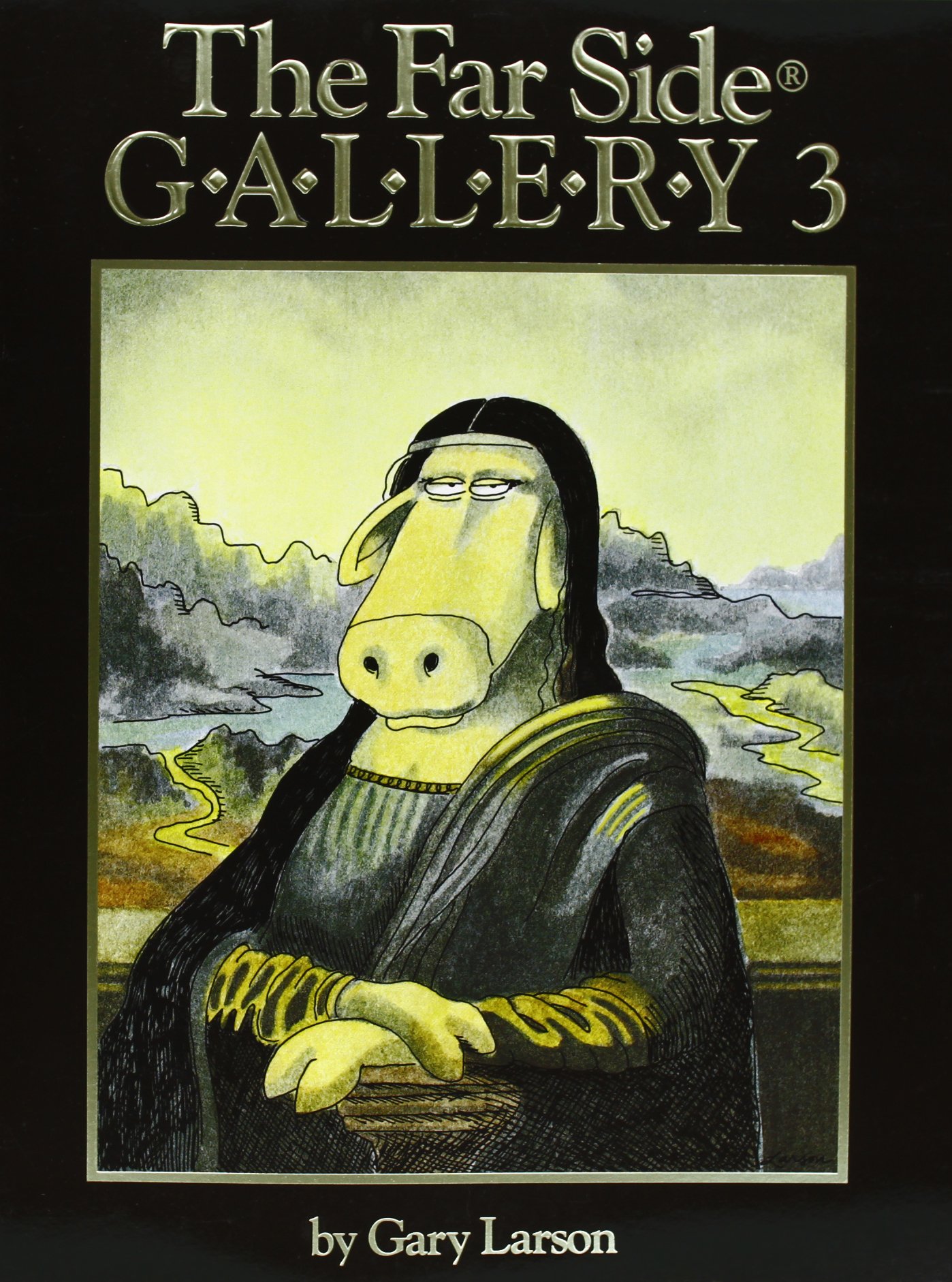
The first book I read in October was The Far Side Gallery 3, which features a cow posing as Mona Lisa (Moona Lisa) on the cover. I got it from the thrift store. I enjoyed this one, and even though I'm pretty sure I've seen all the comics therein, did not remember all of them. The reason I keep saying that for every The Far Side book is because my high school library had the Complete Far Side, which was in two? enormous, heavy volumes. I think I've read all the The Far Side comics, Gary Larson's new stuff notwithstanding (he's recently gotten into digital drawing and started making art again. I have his 2021 calendar.). 4 stars, keeping. Trigger warnings: body horror, characters are eaten, bugs, torture? weird sci fi stuff. all pretty mild


After my Agatha Christie mysteries, I read A Miracle in Seville by James A. Michener. I bought it (all together now!) at the thrift store. This book is set somewhere in the 1950s to '60s range, although the writing style and the lovely old-fashioned illustrations made it feel older. It takes place in Spain during Holy Week (Easter), and the American sports journalist narrator follows around an older Spanish man who is the head of one of the old bull breeding families that supply bulls for bullfights. He has lost his family and status among bull-raising families, and he attempts to raise his family's name by supplicating the Virgin Mary. The three best bullfighters and their bullfighting techniques during the many bullfights during the week are described. I don't know much of anything about bullfighting, but it sounds as though Michener did his research and writes about bullfighting knowledgeably and beautifully. Part of the reason the story time feels older is due to how the Spanish festivals and bullfights and characters are written about. There is a haughty beautiful g*psy fortune teller in swinging skirts who could have stepped out of the pages of a 19th century novel. All the Romani characters in this book are stereotypes and villains. (Read more on why g*psy is a slur here). The writing is very good, though, and the etching/woodcut-like illustrations are gorgeous. The book, while pertaining to be a journalist's notes, reads like a fairy tale from the 19th century, kind of like a Hugo or Dostoevsky novel without the excess verbiage. If it weren't for the stereotypical Romani characters, and the odd/sad ending, I would have liked this book a lot more than I did. 3.5 stars, gave away this book to my dad who is proud of his Spanish heritage despite them being colonizers. Trigger warnings: anti-Romani racism and stereotyping, animal murder and cruelty, human death, maiming mentions, religious self harm


I read Little Black Bird by Anna Kirchner for Ace Week, which was the last week of October. I followed the author on Instagram well before I learned she wrote a book, and immediately put her book on my to read list because it has asexual representation and I like to support my "friends". I was delighted to buy this book from another bookstagrammer. Read the synopsis here. This book takes place in Poland (Anna is Polish) and is written in English (Anna is fluent). I liked that there's a pronunciation guide and short description of words non-Polish readers may not know in the front of the book. However, the writing feels a bit clunky? Disjointed? This may be due to the translating from mental Polish to written English. The characters don't quite feel lived in; it feels like we're told stuff about them. The exception is Wiktoria, whose POV we view the story from. Her anguish about her telekinesis and not being able to fit in is heartbreaking. Her own family treated her like a problem, and it turns out her origins are a mystery. I cared about her and rooted for her. The love interest is a slightly older boy who is bonded to her and there's insta-love and possible attraction. He has color-changing eyes, natch. The romance or whatever (both Wiktoria and the dude are ace questioning) felt very typical, YA fantasy/paranormal novel soulmates, only with less possessiveness and boundary-breaking, thankfully. I think I'm too old for YA novels, you guys; the romances make me roll my eyes instead of swoon. The magic and its usage/rules were very interesting, and the demons and mythological spirits/creatures were scary. I am not very familiar with Slavic mythology (I only know like 3 Slavic fairytales) and it was interesting to read a fantasy book using mythology I'm not familiar with. I was angry on Wiktoria's behalf about how the sorcerers treated her; the obvious thing to do would be to Harry Potter it and tell her she's important and special and to invite her to join the secret sorcerer society, etc. and gain her trust and have her be an ally. Instead they treated her like a criminal. The ace rep is pretty good, with tumblr and AVEN mentioned in the story as sources on ace info. Anyway, fascinating story, things are getting interesting, then BOOM! Cliffhanger. Seriously, there's no real resolution and the book literally ends with "to be continued...". I guess the next book will finish the story, but I don't wanna wait! Ugh. 3.5 stars, keeping. I'm going to have to reread it before I read the sequel. Trigger warnings: torture (both magical and not), stalking, magical mind & body control, demon possession, grudgingly attempted sex due to character feeling owed (consent issues), imprisonment, supernatural scaryness, a character is recovering from an eating disorder

Wednesday, October 6, 2021

September books

 I actually read more than 2 or 3 books in September! Love that journey for me.

Immediately after Remember Me?, I read She's Come Undone, which was a mistake. It's just so horribly sad and depressing in a way that is in no way hinted at in the rather quirky summary. Wally Lamb is a good writer, and I cared about Dolores and wanted her to be happy, but yikes. Dolores is aptly named; the author points this out quite obviously in a patting-himself-on-the-back-for-being-so-clever way, and puts her through all sorts of sad situations. There is sort of a happy ending, at least, and Dolores finds the love she so craves. I did find the 1950s-70s upbringing interesting. Massive, massive trigger warnings for rape of a child, grooming by a predator, domestic violence, mental illness and institutionalization, fatphobia, nonconsensual sexual situations, semi-manipulated abortion, death, sex, homophobia, predatory lesbian trope, AIDS, stalking, religious abuse, alcohol and drug mentions/usage, binge eating and eating disorders, stillbirth, racism from an elderly character, infidelity. There's probably more but that's all I can think of. I left it behind in Mexico with a note telling my family not to read it (there's no way my Christian parents can handle that kind of story). Cover notes: I actually picked this up due to the interesting cover and title. It's actually the title of a 1970s song. 3 stars (4 stars for writing + 2 stars for story). 


Immediately after flying back from Mexico, I flew to New York to visit my sister and her family (I have a nephew now and he's the cutest baby in the world). We mostly hung out and went to restaurants and
bookstores. I bought Herland by Charlotte Perkins Gilman from Westsiders Rare & Used Books (such a fun bookstore). This feminist utopia is a reread for me, and I love it. Read my previous review here, and my mini essay comparing it to The Left Hand of Darkness here. It's so interesting how she points out that a lot of what we consider gender or how women naturally are is a result of the patriarchy and its gender roles (this was written in 1915!). However, I noticed this time how eugenics-y the book is: the Herland women are all white, despite being in a hidden part of South America or something, and they've deliberately bred themselves to be strong and tall and good at stuff and resist disease and smart, etc. I didn't really realize it until I read a quote from CPG that said that white men and women need to come together to improve the lower races, or something. All the great 19th and 20th century white feminists were all racist as hell, unfortunately. Anyway, I do like this book, but be aware of the racism and eugenics-y ways of thinking. It's critical of capitalism, the patriarchy, and Christianity (but rightfully so, imo). Loved the misandry though. 4 stars, keeping. 


Another reread this month was James Finn Garner's Politically Correct Bedtime Stories. These are fun PC satires of classic fairy tales, and it's funny to read how the tales were transformed. For instance, Red Robin Hood and the wolf chop up the woodcutter for being so sexist and speciest as to think RRH needed his help with the wolf. Per usual, one isn't sure whether Garner is poking fun at capitalism etc. or PC culture itself. I reread this one because I'm giving the series away. Trigger warnings for fairytale-typical violence, I guess? 3.5 stars, giving away. 


My last read for September was The Chickens Are Restless, a The Far Side comics compilation. I love Gary Larson's The Far Side so much. I got this from the thrift store, and I'm pretty sure I'd already seen all of these (although there were some comics I didn't remember seeing before). These are classics for a reason. I wonder, if I were to walk past all the faculty office doors at my school, how many would have a TFS comic taped to it. Probably a lot, in the sciences. 4 stars, keeping.